10 Reasons Cheese Pizza Never Goes Out of Style
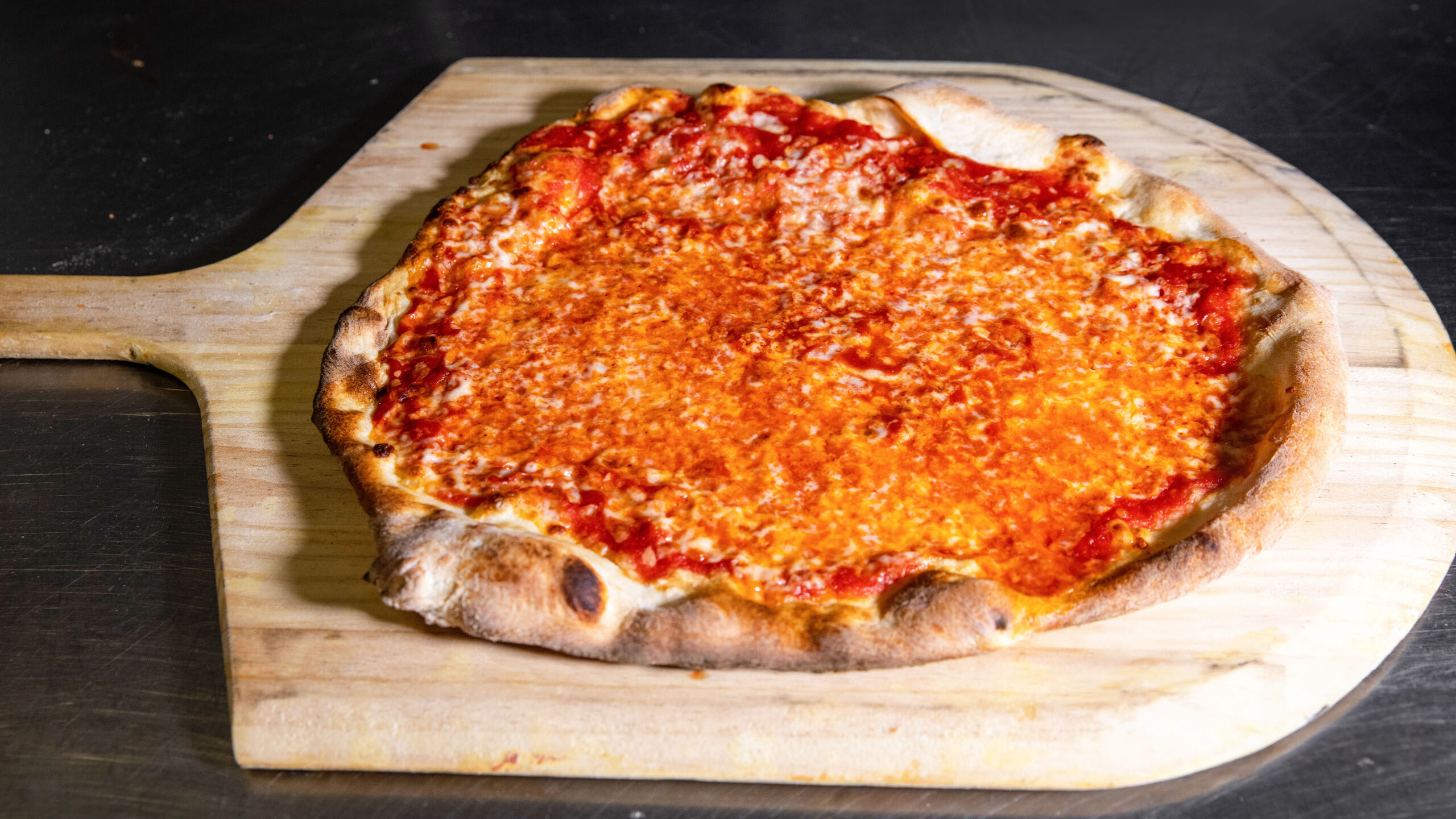
Cheese Pizza has a reputation that many foods would envy. It is familiar without being dull, simple without feeling plain, and broadly loved without depending on novelty. Menus change, toppings come in and out of fashion, crusts get reinvented, and diners chase the next big thing, yet a well-made cheese pie remains the order people return to when they want satisfaction they can trust.
That staying power is not an accident. It comes from a mix of culinary logic, emotional memory, and pure practicality. After years of eating pizza in neighborhood slice shops, busy family restaurants, and more exacting wood-fired places, one pattern holds steady. When a kitchen wants to prove it knows pizza, it starts with cheese. When a customer wants to judge a pizzeria fairly, they often do the same.
It gets the fundamentals right
Cheese Pizza survives trends because it depends on the core mechanics of pizza rather than distractions. The crust must be properly fermented or at least competently mixed, stretched, and baked. The sauce has to bring acidity and sweetness into balance. The cheese needs to melt evenly, brown in spots, and support the rest of the pie rather than smother it.
Put sausage, peppers, mushrooms, hot honey, or truffle oil on a pizza and you can hide a few mistakes. Toppings create noise. Cheese Pizza leaves nowhere to hide. That is exactly why it endures. It rewards the basics, and great basics never become obsolete.
A pizzeria can spend heavily on imported toppings, but if the dough bakes pale or the sauce tastes flat, regular customers notice. On the other hand, a place with modest ingredients and sound technique can turn out a memorable Cheese Pizza that people talk about for years. That is rare in food. Very few dishes remain compelling when stripped down to their essentials. Pizza does.
It is the clearest test of quality
Ask cooks, serious diners, or longtime delivery drivers what pie tells the truth about a pizza place, and many will say the same thing: order the cheese. It reveals more than specialty combinations ever can.
With Cheese Pizza, the ratio matters immediately. Too much sauce and the slice slides apart. Too little and the crust tastes dry. Low-quality cheese leaves an oily puddle or cools into a rubbery cap. Strong dough, by contrast, stays crisp on the bottom, airy at the edge, and tender enough to fold without cracking. You see the structure of the whole operation in one slice.
That makes Cheese Pizza timeless in a practical sense. It serves both the maker and the eater. The cook uses it as a benchmark. The customer uses it as a standard. Foods that perform this kind of double duty tend to last because they become part of how people judge quality itself.
It pleases a wide range of palates
Many enduring dishes stay popular because they walk a narrow line between distinct enough to be enjoyable and broad enough to welcome almost everyone. Cheese Pizza does this better than most restaurant foods.
Children like it because it is approachable. Teenagers like it because it is shareable and filling. Adults like it because it can be quick and casual on a Tuesday or surprisingly nuanced in a more serious setting. Older diners often appreciate that it does not ask too much of the palate. You do not need to enjoy anchovies, olives, spicy cured meats, or bitter greens to enjoy Cheese Pizza.
That broad appeal matters more than trend watchers sometimes admit. Food fashions often rise on intensity. More heat, more smoke, more toppings, more contrast. Those things can be fun, but they tend to divide opinion. Cheese Pizza is welcoming. In hospitality, welcoming wins over the long run.
There is also a social advantage here. When a group cannot agree on dinner, Cheese Pizza settles the debate. It is the diplomatic option that rarely feels like a compromise. That role alone has kept it on tables, at office lunches, birthday parties, sports nights, and late-night counters for generations.
The flavor balance is deeply satisfying
People often talk about pizza as comfort food, but comfort by itself does not explain longevity. Plenty of comforting foods fade in and out. Cheese Pizza lasts because the flavor structure is remarkably complete.
You get sweetness from tomato, richness from cheese, salt from both, bitterness from char if the bake is right, and a mild fermented complexity from the dough. Texture contributes just as much. A good slice offers crunch underneath, chew through the center, stretch on the pull, and softness where the sauce meets the crumb. Every bite feels composed.
That balance is one reason the best Cheese Pizza never tastes one-note, even though its ingredient list is short. Mozzarella alone can bring creaminess and light tang. Add a dusting of aged cheese, and now there is nuttiness and sharper salt. A bright tomato sauce cuts through the dairy. A blistered crust adds roasted depth. The slice eats clean, which is why people can finish one piece and immediately reach for another.
In restaurant work, dishes with this kind of balance tend to outlive the clever ones. Clever gets attention. Balance earns repeat orders.
It carries nostalgia without becoming stuck in the past
Cheese Pizza is wrapped up in personal history for many people. School events, family movie nights, after-game dinners, first dates, college apartments, neighborhood spots that smelled like dough and oregano, all of that lives somewhere inside the experience of opening a pizza box or lifting a hot slice off a pan.
Nostalgia alone can preserve a food for a while, but it can also trap it. The reason Cheese Pizza avoids that trap is that it still tastes good beyond the memory. It is not beloved only because it reminds people of childhood. It remains beloved because the combination continues to work.
I have seen this play out in every type of setting. Someone who grew up on classic American takeout Cheese Pizza can walk into a more artisanal pizzeria, eat a blistered thin-crust version with restrained sauce and fresh mozzarella, and still recognize the same essential pleasure. The form evolves, but the emotional link stays intact. That is powerful. It means the dish can mature with the eater.
It adapts across styles and regions
One of the best arguments for Cheese Pizza’s permanence is that it thrives in wildly different formats. New York slices, Neapolitan pies, tavern-cut Midwestern pizzas, pan pizzas with crisp edges, grandma pies baked in rectangular trays, and countless neighborhood hybrids all rely on the same fundamental idea: dough, sauce, cheese, heat.
That flexibility is not trivial. A food that only succeeds in one exact style is vulnerable to changing tastes and local habits. Cheese Pizza is much more resilient. It can be thin and foldable, airy and leopard-spotted, thick and caramelized at the edge, or square-cut for a crowd. The ingredients shift slightly, the bake changes, the cheese blend changes, yet the identity remains intact.
A few practical examples make the point:
- A New York slice shop uses low-moisture mozzarella for even melt and reheating strength.
- A Neapolitan pizzeria may lean on fresh mozzarella and a softer center with more visible sauce.
- A Detroit-style pan pie can crisp cheese against the edge of the steel and create a lacy, savory crust.
- A home cook with a sheet pan and a hot oven can still produce a respectable Cheese Pizza without special equipment.
- A frozen version, while never equal to a pizzeria at its best, remains recognizable and satisfying enough to keep in regular rotation.
Very few foods travel this well across equipment, budgets, and regional habits. Cheese Pizza does, and that adaptability gives it staying power that trendier dishes cannot match.
It works on an ordinary night and on a special one
There is a practical elegance to foods that suit multiple contexts. Cheese Pizza fits a rushed weeknight dinner, a child’s birthday table, a post-shift meal, a game-day spread, and a carefully composed restaurant order with wine. It can be eaten from a paper plate, off a metal tray, or from proper dinnerware without seeming out of place.
That versatility matters because people do not live in one culinary mode. Most households move between convenience and occasion constantly. A dish that only belongs to celebrations gets used sparingly. A dish that only belongs to rushed necessity rarely earns real affection. Cheese Pizza sits comfortably in both categories.
The economics support this, too. A plain pie is often one of the more affordable menu items, which makes it accessible. At the same time, excellent ingredients can elevate it. Good flour, well-ripened tomatoes, careful fermentation, quality mozzarella, and a skillful bake can turn a Cheese Pizza into something that feels genuinely crafted. That range keeps it relevant to more people more often.
It leaves room for personal rituals
Part of the charm of Cheese Pizza is that it is complete on its own, yet open to minor personal adjustments. This is different from saying it needs customization to be interesting. It does not. Rather, it tolerates ritual beautifully.
Some people shake on dried oregano and chili flakes the second the slice hits the plate. Others want grated parmesan, a drizzle of olive oil, or absolutely nothing at all. Some fold from the tip, some eat crust-first, some blot excess oil, some defend that glossy surface as part of the experience. These habits may sound trivial, but they matter. They turn a common food into a personal one.
Restaurants notice this. The most successful casual foods often leave a little room for the diner to complete the experience. Not rebuild it, just claim it. Cheese Pizza does that in a way that feels natural rather than engineered.
It respects restraint
Modern food culture often rewards excess because excess photographs well and creates quick impact. Loaded fries, towering sandwiches, and pizzas buried under six proteins and three sauces can be fun once in a while, but they have a built-in limit. There is only so much sensory overload most people want.
Cheese Pizza offers the opposite virtue: restraint. Not austerity, just proportion. When it is made well, each element knows its role. The crust supports. The sauce brightens. The cheese unifies. Nothing fights for attention.
That restraint gives the eater clarity. You taste grain, tomato, dairy, and fire instead of a traffic jam of toppings. It also makes the dish easier to crave repeatedly. Rich, overloaded foods can fatigue the palate. Cheese Pizza often sharpens appetite even as it satisfies it. That is one reason a slice can feel as appealing at the end of a long day as it did twenty years earlier.
There is a lesson here that cooks learn early. Simpler dishes are harder to perfect, but once perfected, they tend to last longer. They are less vulnerable to fads because they are built on proportion rather than spectacle.
It is one of the few foods that almost everyone understands
A timeless food often becomes a kind of shared language. Cheese Pizza does this across age groups, income levels, regions, and dining preferences. A person who thinks deeply about fermentation can appreciate it. So can someone who just wants something hot, filling, and familiar after a long shift.
That universality is hard to overstate. Many beloved foods require explanation, acquired taste, or cultural context before they fully land with a broad audience. Cheese Pizza asks very little. A good version communicates itself immediately.
This does not mean every Cheese Pizza is equal. Far from it. There is a real difference between bland cafeteria slices, chain-store consistency, neighborhood shop excellence, and top-tier artisanal work. Still, the baseline idea remains accessible. Even mediocre cheese pizza is recognizable. Great Cheese Pizza, though, can surprise people with how much range and character can live inside such a familiar form.
When a food can be both common and capable of excellence, it tends to stay relevant indefinitely.
It keeps earning new fans
A classic survives only if younger eaters continue to choose it for reasons of their own. Cheese Pizza does. Not because they are forced into it, and not simply because it is available everywhere, but because it still delivers.
Children usually start with it before moving to toppings. College students rely on it because it is Cheese Pizza affordable and shareable. Young professionals rediscover it when they begin to care more about quality, neighborhood spots, and value. Parents order it because it works for a table with mixed preferences. Older adults return to it because, after years of trying everything else, they remember how satisfying the original can be.
That cycle matters. It means Cheese Pizza is not living off legacy alone. It keeps entering people’s lives at different stages and for different reasons. Few foods manage that with such consistency.
If anything, the recent interest in better ingredients and stronger technique has helped the category. More people now notice dough fermentation, cheese blend, tomato quality, bake temperature, and slice structure. That attention could have made simple pizza seem too plain. Instead, it has done the opposite. It has reminded people that the plainest version is often the best place to taste real skill.
What separates memorable Cheese Pizza from forgettable Cheese Pizza
Because the format is simple, small decisions matter more than people think. A memorable pie does not need luxury ingredients, but it does need judgment. In practice, the best versions tend to share a few traits.
- The dough has enough strength to hold the slice, but enough tenderness to stay pleasant through the last bite.
- The sauce tastes like tomatoes rather than sugar, with enough acidity to balance the cheese.
- The cheese melts evenly and browns in places, without flooding the surface with grease.
- The bake creates contrast, crisp underneath, softness inside, and some char or color for depth.
- The ratios stay disciplined so no single element overwhelms the others.
Those are not flashy standards, but they are durable ones. They explain why one Cheese Pizza becomes the pie people drive across town for, while another is forgotten before the box is closed.
Why it keeps winning
The strongest reason Cheese Pizza never goes out of style is that it satisfies on more than one level at once. It is technically revealing, emotionally familiar, socially useful, widely accessible, and genuinely delicious when made with care. Very few foods check all of those boxes.
A lot of menu favorites fade because they depend on a moment, a gimmick, or a narrow audience. Cheese Pizza depends on craft and appetite, and those are far more stable foundations. It can handle reinvention without losing itself. It can be cheap without becoming disposable. It can be refined without becoming precious.
That is why it keeps showing up, decade after decade, in neighborhood shops, family kitchens, and serious pizzerias alike. Strip away the trends, and people still want the same thing they wanted before: a hot crust, bright sauce, melted cheese, and that first bite that tells them everything is exactly where it should be.
Brooklyn Pizza
1647 Arapahoe Ave
Boulder, CO 80302
+1 720-328-2324
FAQ About Cheese Pizza
What type of cheese is used on a cheese pizza in Boulder, CO?
The cheese varies by pizzeria. Brooklyn Pizza uses whole-milk mozzarella made in-house on its standard pies and offers a plant-based cheese option for vegan pizza. Ask the shop directly about ingredients if you have a dietary restriction.
How many slices are in a large pizza in Boulder, CO?
Slice count depends on how the shop cuts the pie. Brooklyn Pizza lists a 16-inch large pizza. If you are ordering for a group, call to confirm the number of slices or ask whether a smaller cut is available.
What is New York style pizza in Boulder, CO?
New York-style pizza usually has a thin crust and wide slices that can be folded. A classic cheese slice pairs tomato sauce with mozzarella. Brooklyn Pizza serves New York-style pizza by the slice and as whole pies.